
To Buy Amoxicillin Online Visit Our Pharmacy ↓
 Amoxicillin Resistance: Causes and Prevention Strategies
How Misuse and Overuse Drive Resistance
A patient stops antibiotics early, believing symptoms have vanished, unaware that surviving microbes gain advantages and can spread within communities and households.
This incomplete course lets some bacteria survive and adapt, selecting resistant strains that multiply, and reduce future treatment options worldwide for patients.
Meanwhile, unnecessary prescriptions for viral illnesses expose communities to constant antibiotic pressure, accelerating evolution, raising risk of outbreaks and higher treatment costs everywhere.
Overprescribing in clinics and agriculture creates reservoirs of resistance, making common infections harder and costlier to treat, and threatens modern medical procedures worldwide.
Pharmacological Factors: Dosing Errors and Subtherapeutic Levels
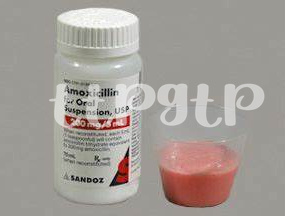
A hurried clinic visit can leave patients with a prescription but uncertain instructions, and that small confusion becomes a story of survival for bacteria. When amoxicillin is taken at the wrong dose or intervals, drug concentrations fall beneath the threshold needed to kill pathogens; surviving microbes adapt, multiply, and transmit resilient traits. Adherence, correct formulation and renal dosing matter.
Subtherapeutic exposure arises from split tablets, missed doses, improper pediatric calculations, drug interactions and poor absorption. Pharmacokinetic variability—altered clearance, food effects or short courses—permits selection of resistant subpopulations. Prevention needs clear dosing instructions, weight-based prescribing, renal adjustment and education so amoxicillin attains sustained bactericidal concentrations instead of selecting resistant survivors and seeding further infections.
Bacterial Defenses: Beta-lactamases and Genetic Exchange
Imagine a microscopic arms race within an infection: enzymes secreted by bacteria cut the core ring of amoxicillin, making the drug ineffective. These enzymes act like molecular scissors, neutralizing treatment and enabling survival. When present, they can turn an ordinary prescription into a futile attempt; patients may briefly improve, then relapse as resistant cells rebound and expand.
Resistance spreads not only by mutation but by sharing: plasmids, transposons and bacteriophages shuttle resistance genes between strains and species, so a harmless gut microbe can donate amoxicillin-resistance to a pathogen. Antibiotic pressure accelerates this exchange, making surveillance and rapid diagnostics essential to stop dissemination and preserve existing therapies for future patients and protect community health over time.
Agricultural Use and Environmental Spread of Resistance

A farmer recalls routine antibiotic baths for livestock, believing illness was controlled, unaware resistant strains were quietly emerging in soil and water.
Runoff carries residues of drugs like amoxicillin into streams, exposing environmental microbes and selecting for genes that neutralize beta-lactams over time in ecosystems.
Manure and sludge spread on fields act as reservoirs, enabling resistant bacteria, mobile genes to travel onto crops and into food chains.
Tales like this motivate better farm stewardship: reduced prophylactic use, improved waste treatment, surveillance and policies to curb environmental dissemination and protect health.
Diagnostics Gaps Leading to Delayed Appropriate Therapy
When rapid diagnostics are lacking, clinicians must guess. Empiric prescriptions like amoxicillin are chosen to act quickly, yet uncertainty risks mismatched therapy and unintended selection for resistance in patient care.
Delays in identifying resistant bacteria allow ineffective antibiotics to persist, prolonging illness and increasing transmission. Patients endure longer symptoms while clinicians escalate therapy without precise microbiology guidance or diagnostic access.
Strengthening point‑of‑care testing, faster lab reporting, and better access to susceptibility data shortens time to targeted treatment. Such investments reduce unnecessary amoxicillin use and slow resistance evolution globally and locally.
| Issue | Action |
|---|---|
| Slow tests | Invest in rapid diagnostics |
Prevention: Stewardship, Vaccines, Hygiene and Education
A clinician recalls a child with recurrent ear infections where amoxicillin failed; that case inspired more responsible prescribing and faster diagnostic testing in the clinic and local surveillance reporting systems.
Limiting unnecessary prescriptions, using correct doses and durations, and tailoring therapy to culture results slows resistant strains, while immunization programs reduce infections that would otherwise prompt antibiotic use plus rapid diagnostics.
Improved sanitation, handwashing, and hospital infection-control practices cut transmission between patients and limit environmental reservoirs of resistant bacteria and proper waste management systems.
Community outreach and clinician training help patients understand when antibiotics are necessary and reduce demand for inappropriate therapy; these combined actions preserve amoxicillin's effectiveness for future patients. MedlinePlus CDC