
To Buy Champix Online Visit Our Pharmacy ↓
 Champix Vs. Nicotine Patches: Which Option Wins?
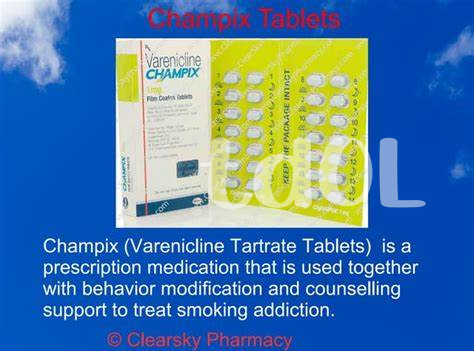
How Champix Works: Targeting Brain Receptors
Imagine the moment a smoker reaches for a cigarette but pauses because the urge has changed. A prescription medication can step into that pause, acting at the brain’s nicotine receptors to soften cravings and make smoking less rewarding.
It binds selectively to α4β2 nicotinic acetylcholine sites as a partial agonist, gently stimulating them to reduce withdrawal while blocking nicotine from producing the full dopamine surge tied to pleasure. That double action both eases discomfort and reduces reinforcement.
Typically started before quitting, a standard course gradually builds receptor occupancy so cravings are diminished on the quit day. Many report fewer slips and less satisfaction from cigarettes, though side effects and medical follow-up should guide use closely.
Nicotine Patches Explained: Slow Release Nicotine Effects
Applied each morning, the patch delivers a steady trickle of nicotine through skin and into the bloodstream, smoothing out peaks that fuel cravings and withdrawal. This controlled release helps many smokers avoid abrupt urges and maintain focus on behavioral change, while side effects tend to be mild skin irritation or sleep disruption.
Unlike champix, which targets brain receptors, patches replace nicotine without directly altering chemistry, suiting smokers who want gradual weaning. They’re easy to use and obtain, but combining patches with counseling considerably raises quit chances and reduces relapse risk.
Side Effects and Safety: Comparing Risks and Warnings
Choosing between treatments often hinges on tolerability. Champix commonly causes nausea, vivid dreams and insomnia as it modulates brain receptors; some users report mood changes, so historical neuropsychiatric warnings led to careful monitoring. Nicotine patches produce skin irritation, sleep disturbance and occasional palpitations or headaches from systemic nicotine delivery, but they lack direct receptor-driven CNS side effects.
Safety profiles also diverge in special populations: pregnant or cardiac patients should consult clinicians because both options carry risks, though patches are often preferred for control. Cost, ease and tolerance shape the choice; reported severe reactions are uncommon, but prompt medical review is advised if mood shifts, chest pain or allergic signs emerge during champix or patch therapy.
Effectiveness: Quit Rates and Long-term Success

Personal stories often reveal that champix can dramatically raise short-term quit rates, helping smokers break cravings within weeks. Clinical trials show higher abstinence at six months compared with single-form nicotine replacement, but relapse remains common without behavioral support.
Long-term success is tied to combined strategies: medication plus counseling yields the best outcomes. Some prefer patches for steady dosing and fewer psychiatric signals, while others respond better to champix’s receptor-targeting action. A tailored plan, follow-up and coping tools significantly improve one-year abstinence and substantially reduce odds of full relapse over time.
Cost, Convenience, Access, and Affordability Considerations
Balancing budgets often tips the scale when choosing treatments. Generic patches can be cheaper per month, while champix requires a course that may be pricier up front. Insurance, coupons, and clinic programs can narrow that gap. Some clinics provide vouchers and discounts that lower patient costs quickly.
Patches offer steady dosing and simple daily routines; champix needs prescription and follow-up but avoids nicotine intake. Pharmacy availability, prior authorization delays, and travel time affect real-world access. Discussing finances and logistics with a clinician helps match effectiveness with what’s practical and sustainable.
| Option | Typical Barrier |
|---|---|
| Champix | Prescription cost, prior authorization |
| Nicotine patch | Ongoing purchase, variable insurance coverage |
Choosing Wisely: Personal Factors and Doctor Advice
Deciding between varenicline and patches often begins with a conversation about your medical history and daily habits. Some people prefer a prescription approach when withdrawal is intense; others value the steady simplicity of patches. Mental health, pregnancy, kidney function, and concurrent medications shape safe choices.
Your doctor can weigh risks, recommend monitoring, and suggest combination strategies like patch plus counseling or switching to varenicline for higher success. Shared decision-making respects your preferences while ensuring safety; follow-up visits let clinicians manage side effects and adjust treatment for best long-term outcomes overall. NHS - Varenicline Cochrane Review on Varenicline