
To Buy Clomiphene Online Visit Our Pharmacy ↓
 Clomiphene for Men: Uses Beyond Female Fertility
How Clomiphene Impacts Male Hormone Levels
Clomiphene, a medication originally developed for women, works quite differently in the male body. By blocking estrogen receptors in the brain, it tricks the body into believing that estrogen levels are too low. This signals the pituitary gland to release more luteinizing hormone (LH) and follicle-stimulating hormone (FSH).
The increased LH stimulates the testes to produce more testosterone, leading to higher circulating levels of this crucial hormone. FSH also plays a role by supporting sperm production and overall testicular function.
A dramatic result is that men may experience improved energy, libido, and mood as testosterone levels climb. For many, clomiphene represents an effective, non-invasive way to restore hormonal balance without directly supplying synthetic testosterone.
| Hormones Affected | Impact of Clomiphene |
|---|---|
| Luteinizing Hormone (LH) | Significantly increases secretion |
| Testosterone | Elevates natural production |
| Follicle-Stimulating Hormone (FSH) | Boosts levels, aiding sperm development |
Boosting Testosterone: a Game-changer for Men
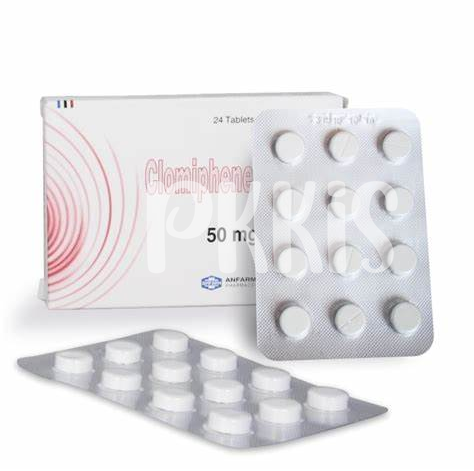
For men struggling with low energy, reduced drive, or declining strength, a hormonal imbalance is often to blame. One surprising option making waves is clomiphene, a medication traditionally used to treat female infertility. However, recent studies have revealed that its unique mechanism—stimulating the body’s own production of testosterone—sets it apart from traditional hormone therapies.
Unlike synthetic testosterone, clomiphene tells the brain to ramp up natural hormone production. This increases testosterone levels without suppressing sperm count, a key advantage for men hoping to maintain fertility. For many, the result is improved vitality, enhanced mood, and even sharper cognitive function, making clomiphene a compelling alternative.
Managing Male Infertility with Clomiphene Therapy
For many men, discovering fertility challenges can be a surprising and emotional journey. Clomiphene, originally designed for female fertility, offers new hope by addressing hormonal imbalances that hinder sperm production in men. By stimulating the body's own natural production of testosterone and luteinizing hormone, clomiphene helps increase both sperm count and quality.
Clinical studies have shown that clomiphene may improve fertility outcomes in men diagnosed with low testosterone or idiopathic infertility. Regular monitoring ensures the therapy remains effective and safe throughout treatment.
Unlike other hormonal treatments, clomiphene allows the body's reproductive system to function more naturally without suppressing sperm production. This quality makes it a compelling choice for men seeking non-invasive solutions to improve their chances of fatherhood.
Clomiphene’s Potential Role in Treating Hypogonadism

Imagine a scenario where low testosterone levels leave a man fatigued, with diminished libido and motivation. Traditionally, testosterone replacement therapy has been the go-to solution, but clomiphene offers an alternative approach by stimulating the body’s own production of testosterone. By acting on the hypothalamus, clomiphene promotes the release of hormones that signal the testes to produce more testosterone naturally. This can lead to improved hormonal balance without suppressing sperm production, making it an attractive option for men seeking to maintain their fertility.
Exploring Clomiphene for Athletic Performance Enhancement
Some athletes have turned to clomiphene, seeking its ability to enhance performance by influencing natural testosterone production. Unlike traditional anabolic steroids, clomiphene works as a selective estrogen receptor modulator (SERM), encouraging the body to produce more of its own testosterone rather than supplying artificial hormones. This distinction can be compelling for those hoping to avoid the risks and legal ramifications associated with steroid use.
Research suggests that increased testosterone may lead to improved muscle mass, energy, and recovery rates—attributes valued by athletes. However, the evidence for direct performance benefits in healthy men remains limited and controversial. Regulatory agencies strictly monitor clomiphene’s use in sports, with anti-doping authorities listing it among prohibited substances.
| Potential Benefit | Considerations |
|---|---|
| Increased endogenous testosterone | Banned by major sports organizations |
| Possible faster recovery | Long-term effects unclear |
Due to these complexities, individuals should weigh the possible rewards against significant ethical, legal, and health risks.
Key Side Effects and Safety Considerations for Men
While clomiphene has shown remarkable benefits for men, understanding its side effects is crucial. Some men experience mild reactions like hot flashes, mood swings, or headaches. However, rare but notable complications include visual disturbances or gynecomastia (male breast tissue growth). These symptoms typically resolve upon discontinuation but should always be discussed with a healthcare professional.
Importantly, clomiphene can also impact cholesterol levels and liver function. Regular blood tests help monitor any adverse changes during therapy. Long-term safety data for men is limited, so close medical supervision is advised throughout treatment.
Before starting clomiphene, men should undergo a comprehensive evaluation to exclude underlying conditions. Learn more at NCBI and Mayo Clinic.