
To Buy Femara Online Visit Our Pharmacy ↓
 Femara Dosage Guide: Standard, Low, and Adjusted Regimens
Standard Femara Dosage: What Doctors Typically Prescribe
A typical starting point for many patients is a single 2.5 mg tablet taken once daily, often prescribed after specialist assessment.
This regimen balances effectiveness with tolerability and reflects trials showing clinical benefit at that dose.
Doctors may confirm bone health and menopausal status before starting, and schedule follow up to monitor response and side effects.
| Dose | Frequency |
|---|---|
| 2.5 mg | Once daily |
Individual factors like weight, other medications, fertility goals, and tolerance can prompt adjusted plans; shared decision making guides care. Regular follow up ensures safety and optimal outcomes too.
Low Dose Femara Strategies: When Less May Work

A patient remembers starting with a conservative dose, hoping to balance benefit and tolerability; clinicians sometimes begin low to observe response before increasing, reducing unnecessary exposure and tracking labs closely.
Low doses may suit people with heightened sensitivity, polycystic ovary syndrome, or prior adverse reactions; careful monitoring of ovulation, estradiol, and symptoms guides whether escalation is necessary over several cycles.
When using femara in low dosing, clinicians often start at 2.5 mg or halve that amount for trials; individualized plans depend on age, weight, and fertility goals and previous responses.
Expect gradual adjustment; keep symptom diaries, communicate side effects promptly, and remember that lower doses may still succeed while minimizing common adverse effects and costs.
Adjusted Regimens: Tailoring Femara for Individual Needs
A patient recalls the first prescription and discovers adjusted dosing can blend hope with practical safety through careful monitoring and informed consent.
Clinicians weigh age, weight, ovarian reserve, prior response, and tolerability when tailoring regimens to individual physiology and goals including fertility treatment goals.
Options include low-start doses, alternate-day use, or temporary pauses of femara, with ultrasound and bloodwork guiding safe stepwise titration based on individual response.
Open communication, prompt reporting of side effects, and documented rationale ensure modifications remain evidence-based and aligned with each patient's priorities and follow-up plans.
Timing and Cycle Lengths: Optimizing Effectiveness Safely
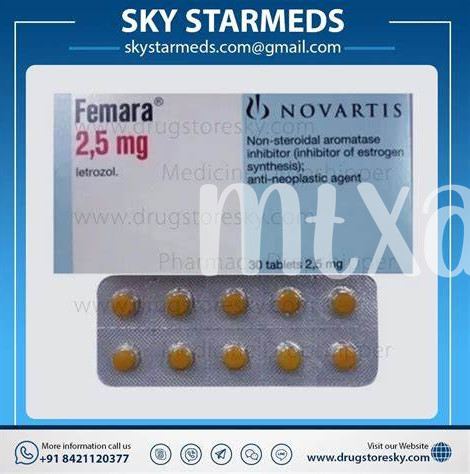
Early one morning a patient asked why the timing of femara mattered so much; the answer lies in synchronizing drug exposure with the menstrual cycle. Doctors often prescribe a daily pill for five to six weeks or continuously across a defined treatment window, aiming to hit the follicular phase when ovarian sensitivity is highest. Strict adherence to dosing time reduces variability and supports predictable response.
Adjusting cycle length—shorter bursts or extended courses—can be safe when guided by ultrasound monitoring and hormone tests. Any deviation should be individualized based on age, prior response, and side effects. Clear communication with your clinician about missed doses, symptom changes, or plans to conceive helps optimize outcomes while minimizing risks.
Managing Side Effects: Practical Tips and Expectations
Experiencing side effects on femara can feel unsettling but a proactive approach helps. Track symptoms in a journal, note timing and severity, and share with your care team. Simple adjustments—hydration, layered clothing for hot flashes and light exercise—often ease discomfort.
For joint pain, try low-impact activities, gentle stretching, and over-the-counter analgesics after checking interactions. Support bone health with calcium and vitamin D, and discuss bone density scans with your oncologist; preventive measures matter before symptoms escalate.
Expect side effects to peak early then stabilize; however, sudden swelling, severe mood changes, chest pain, or signs of infection require immediate contact with your provider. Regular communication ensures regimens can be adjusted while keeping treatment goals in sight.
| Symptom | Tip |
|---|---|
| Hot flashes | Layering, hydration |
| Joint pain | Low-impact exercise, OTC analgesics |
When to Consult Your Doctor: Red Flags
While on Femara, most side effects are manageable, but some symptoms require rapid medical attention. Listen to your body: sudden severe pain, breathlessness, high fever, or a dramatic mood shift are not normal and should prompt immediate contact with your care team.
Watch for signs suggesting serious complications: chest pain, sudden shortness of breath, unilateral leg swelling or warmth (possible clot), worsening bone pain or new fractures, jaundice, persistent vomiting, fainting, or thoughts of self-harm. If any occur, seek urgent evaluation or go to emergency services.
Keep a symptom diary, attend scheduled bone-density and blood tests, and never stop medication without guidance; carry a list of medicines and allergies when seeking care. PubChem NCI letrozole