
To Buy Imodium Online Visit Our Pharmacy ↓
 Imodium Abuse Risks: Signs and Prevention
Recognizing Early Signs of Overusing Anti-diarrheal Medication
A single dose to stop symptoms can feel like a small fix, but habits form quietly. You might notice dosing creeping up or timing tied to social events, which signals creeping reliance.
Physical signs include increased constipation, bloating, or needing larger doses for effect. Missing medication may trigger anxiety or preoccupation with bathroom access and routines.
| Sign | What to notice |
|---|---|
| Dose increase | Needing more than before |
| Behavioral change | Secrecy or planning around doses |
Keep a simple log, limit doses to prescribed directions, and discuss persistent diarrhea with a clinician instead of treating long-term alone. Early recognition and open conversation can prevent escalation and protect heart and gut health before serious problems develop; seek help early.
Physical and Psychological Consequences of Chronic Misuse
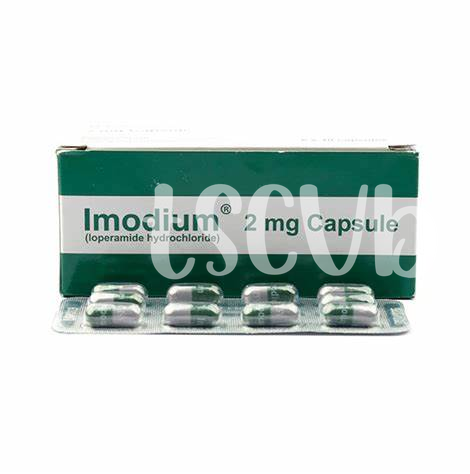
A nightly ritual of reaching for imodium can feel harmless at first, but stories of tolerance creep in quietly. What begins as short-term relief may evolve into daily reliance that masks underlying issues.
Physically, chronic use disrupts bowel function, causes constipation or obstruction, and can strain the heart through dangerous arrhythmias and electrolyte imbalance.
Mentally, dependence leads to anxiety, mood swings, and preoccupation with dosing; effective prevention focuses on medical evaluation, tapering support, and safer strategies for symptom control. Seek professional help if stopping imodium causes severe withdrawal symptoms now.
How Dangerous Heart and Bowel Complications Develop
At first, a person notices relief and assumes imodium is harmless, but escalating doses can change that. Loperamide in high amounts overwhelms intestinal opioid receptors, shutting down motility and causing severe constipation, even pseudo-obstruction; backed-up stool can progress to impaction, perforation, and infection.
At toxic levels, it also affects the heart: loperamide can block cardiac sodium and potassium channels, producing QRS widening, QT prolongation and life-threatening arrhythmias. Interactions with other drugs or liver dysfunction raise this risk dramatically.
Warning signs—palpitations, dizziness, fainting, worsening abdominal pain or no bowel movements—should prompt urgent medical evaluation. Doctors use ECGs and imaging to detect arrhythmia or bowel obstruction; timely care can reverse damage and save lives when caught early.
Risk Factors That Increase Likelihood of Dependence

A young traveler told herself imodium would salvage a business trip; that small, repeated dose turned into a habit. Repeated use after acute symptoms, untreated GI disorders, or seeking quick control during anxiety are common pathways — especially when access is over-the-counter and medical guidance is absent.
Prior substance misuse, chronic pain, depression, or simply living alone can raise vulnerability, as can frequent international travel or jobs with strict schedules. Older adults and those on multiple medications face higher physiological risk. Awareness of these factors helps clinicians and patients spot patterns early and replace risky self-treatment with safer, supervised care. Community education and clear labeling on packages reduce the chance of misuse significantly over time.
Safe Alternatives and Responsible Symptom Management Strategies
When diarrhea strikes, pause before reaching for imodium; simple steps often help. Sip fluids, try BRAT foods, rest to help recovery.
Probiotics and soluble fiber support balance; avoid caffeine and fatty meals that worsen symptoms. Track triggers and use short treatment only when advised.
If symptoms persist beyond 48 hours, fever appears, or you see blood, contact clinician promptly. Chronic use risks complications, so seek guidance for alternatives and tapering.
Use a pharmacist or telehealth to carefully review medications and safety, especially if you have heart issues or take drugs.
| Option | Benefit |
|---|---|
| Hydration | Prevents dehydration |
| Probiotics | Restore gut flora |
Practical Prevention Tips Plus Seeking Help Resources
Start small: keep medicine in its original packaging, follow the label and your prescriber's directions, track each dose on a simple chart, and avoid self‑adjusting during stress. Tell a trusted friend or family member about your use so someone can notice gradual changes; outside perspectives often spot problems before you do.
Prioritize nonpharmacologic symptom management—stay hydrated, use the BRAT diet briefly, add soluble fiber, and try probiotics after consulting a clinician. Build coping skills (breathing, routines, trigger awareness) and speak with a healthcare professional before repeating or increasing any anti‑diarrheal.
If you notice cravings, escalating doses, heart palpitations, or withdrawal symptoms, contact your clinician, local poison control, or a substance use helpline promptly. Trusted resources include FDA safety pages and MedlinePlus. Many clinics and support lines offer confidential advice and referral options. Find official guidance for local contacts. https://www.fda.gov/drugs/drug-safety-and-availability/fda-drug-safety-communication-fda-warns-about-risks-loperamide-imodium-abuse https://medlineplus.gov/druginfo/meds/a684007.html