
To Buy Oseltamivir Online Visit Our Pharmacy ↓
 When to Start Oseltamivir: Timing and Effectiveness
Recognizing Early Flu Symptoms for Prompt Treatment
A sudden fever hit me one winter morning, and the world blurred into chills and muscle aches that made standing difficult and sapped my energy.
Early flu often brings abrupt fever, dry cough, sore throat, headache and fatigue; noticing sudden combinations prompts quicker testing or treatment urgently.
Pay attention if symptoms escalate: fever over 38.5°C, rapid breathing, chest pain or severe weakness signal urgent medical advice, especially for vulnerable people.
Contact your clinician promptly; antivirals are most effective when started early, within the initial days after symptoms begin each season.
| Symptom | Suggested action |
|---|---|
| Fever + cough | Contact provider within 48 hours |
| Difficulty breathing | Seek emergency care |
Why the First 48 Hours Matter Most

On a blustery morning, Ella woke with fever, body aches and a scratchy cough; she contacted her clinician within hours. She feared missing work and sought advice immediately.
Antiviral drugs like oseltamivir interfere with viral replication, so beginning treatment during the initial two days after symptoms start reduces viral load most effectively and shortens illness duration.
Early therapy can lower complications, hospitalizations, and symptom severity, especially for older adults and people with chronic conditions—so prompt evaluation and prescription matter. Seek care quickly if symptoms are severe or risk factors exist.
Who Benefits Most from Early Antiviral Therapy
Imagine waking with a sudden high fever and aching bones; starting antiviral treatment quickly can change the course. Early use of oseltamivir often reduces symptom duration and complications.
We see the greatest gains among older adults, infants, pregnant people, and anyone with chronic heart, lung, or immune conditions. For them, timely therapy lowers hospitalizations and severe outcomes.
Those recently exposed or showing rapid deterioration also benefit from early antiviral action; clinicians often start treatment based on symptoms alone when testing would cause harmful delay.
Discuss risks, drug interactions, and timing with a healthcare provider promptly—early oseltamivir is most effective within the first days of illness and can be lifesaving for high-risk patients especially during outbreaks.
Dosage, Duration, and Age Considerations Explained Simply
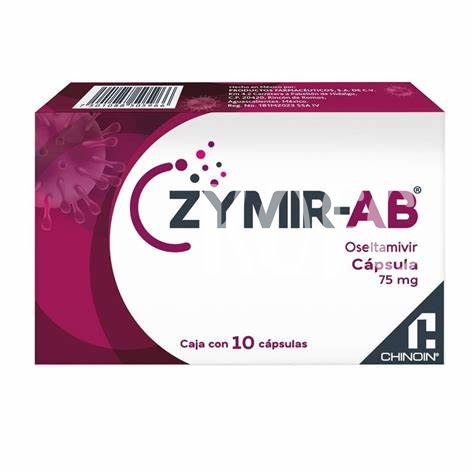
Imagine waking with a fever and deciding quickly. For most adults the usual oseltamivir dose is 75 mg twice daily, and starting it within 48 hours maximizes benefits and shortens overall illness duration.
Children have weight‑based dosing and infants under two weeks need specialist advice; older adults may need adjustment if kidneys are impaired. Typical courses run five days, but doctors may extend treatment for severe or hospitalized patients. Ask a clinician about interactions and renal dosing. Clear guidance keeps recovery steady, avoids under or overdosing, and reduces complications quickly.
Balancing Risks: Side Effects and Resistance Concerns
A cautious tale: starting oseltamivir early can shorten fever and aches, yet mild nausea or headaches sometimes follow. Often brief and tolerable.
Serious reactions are rare, but allergic responses require immediate care. Report severe stomach pain, persistent vomiting, or mood changes promptly.
Timing affects resistance: using antivirals appropriately limits resistant strains, so avoid unnecessary or delayed use. Prudent use preserves effectiveness for the community and beyond.
Discuss benefits and risks with a clinician; weigh symptom severity, risk status, and potential side effects before deciding. Keep a clear plan for follow-up.
Practical Steps: When to Seek Medical Advice
At the first sign of high fever, worsening cough, shortness of breath, chest pain, or confusion, call your clinician. People who are pregnant, very young, elderly, or with chronic conditions should seek care early. Mention exact symptom onset to check oseltamivir eligibility within the 48‑hour window.
Have medication lists and the time symptoms began ready; clinicians may offer testing, same‑day prescriptions, or telehealth. If you cannot reach care and you develop severe signs—difficulty breathing, persistent vomiting, altered consciousness—seek emergency services. Especially high‑risk patients. Don’t delay; early discussion guides antiviral decisions. CDC: Influenza Antiviral Medications Cochrane Review: Oseltamivir