
To Buy Prednisolone Online Visit Our Pharmacy ↓
 Prednisolone Dosage Guidelines for Different Conditions
Understanding Prednisolone: a Closer Look at Its Uses
Prednisolone, a potent synthetic glucocorticoid, plays a pivotal role in managing various conditions. Its primary function is to reduce inflammation and suppress immune system responses. Widely used for ailments such as asthma, allergic reactions, and autoimmune disorders, its versatility makes it indispensable in medical treatments. Prednisolone’s effectiveness stems from its ability to mimic cortisol, a natural hormone produced by the adrenal glands. Understanding its wide-ranging uses helps in tailoring treatment plans to fit individual needs, thereby optimizing therapeutic outcomes and ensuring patient safety.
| Condition | Common Use | Effectiveness |
|---|---|---|
| Asthma | Reduces airway inflammation | Highly effective |
| Autoimmune Diseases | Suppresses immune response | Moderately effective |
| Allergic Reactions | Controls severe symptoms | Effective in acute cases |
What sets prednisolone apart is its adaptability to various medical needs, allowing for precise dosing and monitoring to minimize risks. While efficacious, prednisolone's potent nature requires careful consideration, potential side effects should be anticipated, and long-term use cautiously managed. Continued research expands understanding, ensuring its role remains crucial in therapeutic strategies.
Holistic approaches in administering prednisolone involve close collaboration between healthcare providers and patients. This synergy aids in effective symptom management, providing relief and improved quality of life. Collaborative care ensures that prednisolone's benefits are maximized while mitigating risks, promoting informed decisions in treatment pathways.
Prednisolone Dosage for Allergic Reactions: Key Insights
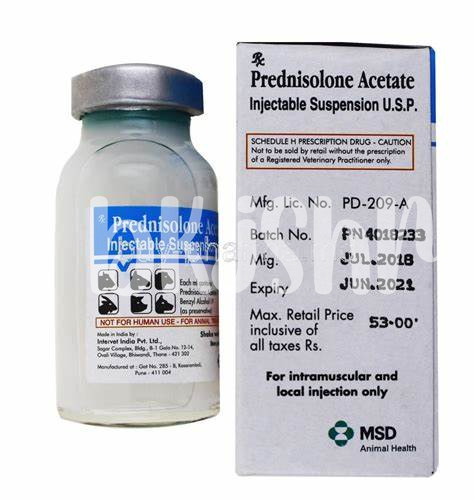
When navigating the complexities of allergic reactions, prednisolone emerges as a potent ally. This corticosteroid works by dampening the body's immune response, significantly alleviating symptoms. For acute allergy flares, the dosing of prednisolone is typically short-term, often prescribed in a tapering manner to prevent abrupt withdrawal symptoms.
Dosage can vary greatly, hinging on factors such as age, severity of symptoms, and individual medical history. Effective management requires close cooperation with a healthcare provider to tailor the dosage specifically for each patient, optimizing benefits while minimizing risks.
Managing Autoimmune Diseases: Prednisolone Dosage Guidelines
Managing autoimmune diseases requires a delicate balance of suppressing the immune system while minimizing adverse effects. Prednisolone, a potent corticosteroid, is often prescribed to achieve this balance. The dosage of prednisolone varies significantly depending on the specific condition and severity. For instance, conditions like rheumatoid arthritis may require a different approach than lupus. Healthcare professionals typically tailor the dosage based on the patient’s response and any comorbidities.
It's crucial to follow a personalized dosing regimen, starting with a high dose to control symptoms, then gradually tapering to the lowest effective dose. This approach helps manage disease activity while reducing potential side effects associated with long-term corticosteroid use.
Prednisolone in Asthma Treatment: Effective Dosing Tips
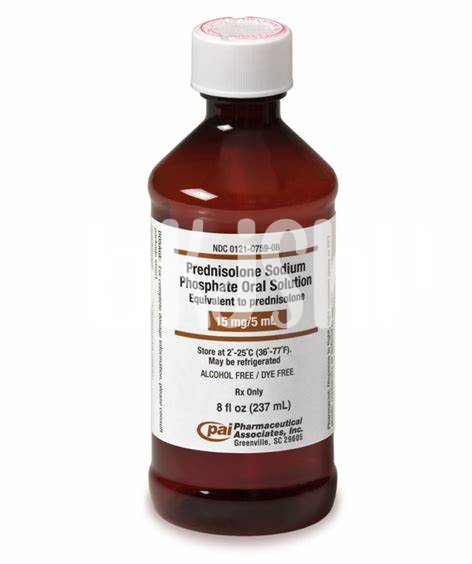
Asthma flare-ups can be frightening, but with the right prednisolone dosage, relief is within reach. Individualizing treatment is crucial, as dosing primarily depends on the severity of the asthma attack and patient response. Typically, a short burst of high-dose oral prednisolone, often ranging from 20 to 60 mg per day, effectively tames inflammation swiftly. Maintaining precision in dosing is key to preventing the flare from escalating while minimizing potential side effects. Gradual tapering, under medical guidance, prevents abrupt withdrawals that can lead to rebound symptoms. Empower yourself with knowledge, work closely with healthcare professionals, and follow their tailored guidelines for optimal asthma management.
Using Prednisolone for Inflammatory Bowel Disease
Prednisolone is often prescribed to manage symptoms and induce remission in Inflammatory Bowel Disease (IBD) due to its potent anti-inflammatory properties. It helps in reducing mucosal inflammation and controlling flare-ups in conditions like Crohn's disease and ulcerative colitis. The dosage depends on the severity of the condition and patient response. While starting doses may be higher, they are typically tapered down as symptoms improve to minimize long-term side effects.
| Condition | Typical Initial Dosage | Maintenance Dosage |
|---|---|---|
| Crohn's Disease | 40-60 mg daily | 5-20 mg daily |
| Ulcerative Colitis | 30-60 mg daily | 5-15 mg daily |
It’s crucial to follow a doctor’s guidance closely, as abruptly stopping prednisolone can cause withdrawal symptoms. Regular consultations ensure that the treatment remains effective while reducing potential risks.
Reducing Side Effects: Best Practices in Prednisolone Use
To mitigate the side effects associated with prednisolone, gradual tapering of the dose is crucial. Abrupt discontinuation can lead to adrenal insufficiency—a serious condition where your body can't produce enough cortisol, a vital hormone for stress response. Physicians often emphasize starting with the lowest effective dose and using alternate-day therapy when possible, which allows the body's hormonal balance to maintain stability. Concomitant use of supplements such as calcium and vitamin D can also help offset bone density loss, a common side effect. Regular monitoring by healthcare providers ensures that any adverse effects are swiftly managed, ensuring optimal safety.
Learn more about prednisolone: here and here.