
To Buy Priligy Online Visit Our Pharmacy ↓
 Priligy Dosage Guide: Safe Use and Adjustments
Starting Priligy: Choosing the Right Initial Dose
You might feel nervous before the first dose; many men do, but a careful start builds confidence and safety.
Doctors commonly recommend beginning with 30 mg taken two to three hours before sexual activity; this balances effectiveness with tolerability while monitoring response.
| Dose | Notes |
|---|---|
| 30 mg | Typical starter |
| 60 mg | Consider if 30 mg ineffective |
Track effects, especially dizziness or mood changes, and avoid combining with nitrates or certain antidepressants without medical advice. If side effects occur or benefits seem limited after several tries, consult your clinician for dose reevaluation or alternative strategies. Personal factors like age, liver health, and other medications shape the best starting choice. Always follow prescribed guidance and ask questions regularly.
How to Adjust Priligy Dosage Safely over Time

Starting a dose feels like tuning an instrument; begin low and listen to your body, noting effects and timing after each tablet.
Communicate with your clinician about any changes; small increments and scheduled reassessments reduce risks while guiding optimal priligy balance for you and consider liver function and other medications.
Track side effects, mood, and sexual performance in a simple diary; objective records make dose adjustments more precise and safer.
Pause dose changes if severe reactions appear; seek urgent care for alarming symptoms and schedule follow-ups to confirm long-term tolerability.
Timing and Administration: Best Practices for Effectiveness
When preparing to use priligy, think of it as a short-acting tool—take it when you can predict sexual activity, usually one to three hours before. Consistency matters: taking doses at similar times helps you learn your personal response and reduces unexpected effects.
Swallow tablets whole with water; avoid crushing or chewing to maintain release profile. If you miss a planned dose and sexual activity is still expected, do not double next dose; wait for the next planned exposure and follow prescribed maximum frequency.
Start with lower doses during early attempts to gauge tolerance, and keep a simple log of timing, effects, and any side effects to share with your clinician. Proper timing, careful administration, and clear communication with your prescriber improve both safety and effectiveness. Report dizziness, fainting, or sustained erections promptly for urgent evaluation and further dosing guidance immediately.
Managing Side Effects and When to Seek Help
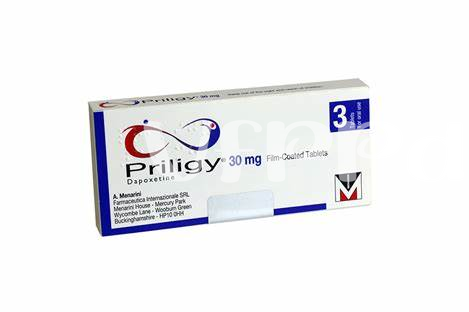
When you start priligy, mild side effects like dizziness, nausea, headache and fatigue are common and often fade after a few doses. Imagine the first week as an adjustment period: drink water, sit down if dizzy, avoid driving until you know how you react, and report persistent symptoms to your prescriber. Mild sexual side effects or temporary mood shifts can also occur; tracking changes in a simple diary helps clinicians tailor your plan and follow dosing instructions closely.
Seek medical attention immediately for chest pain, fainting, irregular heartbeat, severe allergic reactions (rash, swelling, breathing trouble), or prolonged erections lasting more than 4 hours. Also contact your provider if side effects interfere with daily life or if you notice new mood deterioration or suicidal thoughts. Prompt communication ensures safe dose adjustments or switching to alternatives while keeping treatment goals on track.
Drug Interactions, Alcohol, and Foods to Avoid
Imagine taking priligy before an important evening and realizing that a single drink or a medication could change everything. Certain antidepressants, monoamine oxidase inhibitors, some antibiotics, and opioid painkillers can raise the risk of dangerous serotonin effects or protracted reactions; combinations should only be attempted under close medical supervision. Even over-the-counter supplements like St. John’s wort may alter effectiveness. Always share a complete medication list with your clinician.
Avoid grapefruit and high-fat meals around dosing, as they can change absorption and increase side effects; alcohol may amplify dizziness or fainting and can worsen delayed ejaculation safety concerns. If you experience severe lightheadedness, fainting, prolonged erection, or signs of serotonin overload such as agitation and rapid heartbeat, seek immediate care. Adjustments to timing or dose can often mitigate risks, but never self-adjust without professional guidance and always keep emergency contacts handy.
Special Populations: Elderly, Liver Disease, and More
Older men often metabolize drugs more slowly, so starting lower and monitoring is wise; dizziness and blood pressure changes are more common. Liver impairment requires dose reduction or avoidance because dapoxetine is hepatically cleared. Renal impairment generally needs caution, but severe cases were excluded from trials.
Cardiac history, concomitant SSRIs, or potent CYP3A4 inhibitors change risk and dose decisions; consult a specialist before adjusting therapy. With dementia or frailty, prioritize safety: start low, monitor orthostatic symptoms, reassess regularly, and schedule follow-up visits to ensure ongoing benefit and tolerability. EMA PubMed