
To Buy Rybelsus Online Visit Our Pharmacy ↓
 Traveling with Rybelsus: Storage and Carrying Guide
Plan Ahead: Prescriptions, Refills, and Travel Notes
Before a trip, I check prescriptions and refill timelines; a quick call to my pharmacy saves panic later. Ask for an extra days’ supply and a written prescription note naming active ingredients—some countries require generic names. Keep receipts and pharmacy contact details in a travel folder.
Get refills early, especially for long journeys or cruises. Ask your provider about electronic prescriptions and request notes explaining medical necessity for carrying medication and needles if applicable. Photograph prescription labels and store copies in cloud storage.
At the airport, present notes proactively and carry medicine in original labeled containers. Inform travel companions and your accommodations about any special storage needs so everyone can help maintain your treatment schedule.
| Item | Action |
|---|---|
| Refills | Request 1–2 weeks early |
| Documentation | Carry written and digital copies |
| Pharmacy Contact | Save phone and address |
Temperature Rules: Keeping Your Medication Cool and Stable
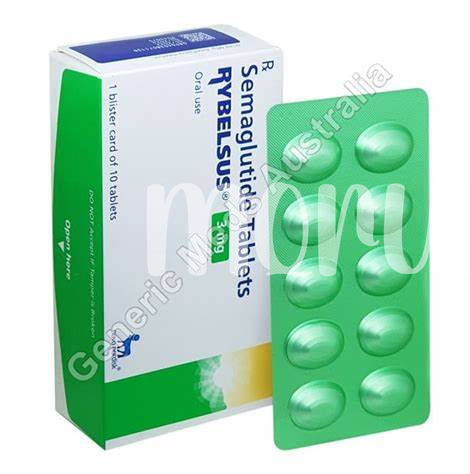
On a summer trip I learned how fragile a tiny blister pack can feel; the sun made me paranoid about effectiveness. For oral medications like rybelsus, avoid prolonged heat above 30–40°C and freezing temperatures that can degrade tablets. Brief exposure during transit is usually acceptable, but consistent extremes are risky.
Pack tablets in an insulated pouch or small cooler with gel packs wrapped in cloth to prevent moisture contact. Keep medication in carry-on luggage to control environment and avoid checked baggage temperature swings. Check airline policies and use a thermometer strip when possible to monitor conditions during long flights or layovers.
Always consult your pharmacist before travel about storage limits and emergency replacements. If tablets feel discolored, misshapen, or overly warm, replace them. Carry a doctor’s note and prescription label to explain storage needs during inspections and unexpected delays safely.
Pack Smart: Carry-on Strategies and Protective Cases
I tuck my rybelsus into a small, insulated pouch that rides in my carry-on, imagining it riding out turbulence while I relax. Travelers should keep medication with them rather than checked luggage, use clear zip bags for easy screening, and pack enough refills plus a copy of the prescription.
Hard cases or padded organizers prevent crushing, and cooling gel packs that stay compliant with airline rules help maintain stability on warm days. Label containers with contact info, keep pills in original packaging when possible, and carry a note from your prescriber to smooth security checks and unexpected delays. Also, bring a temperature indicator strip and store instructions to verify safe conditions during longer trips abroad.
Security and Customs: Navigating Checks with Medication
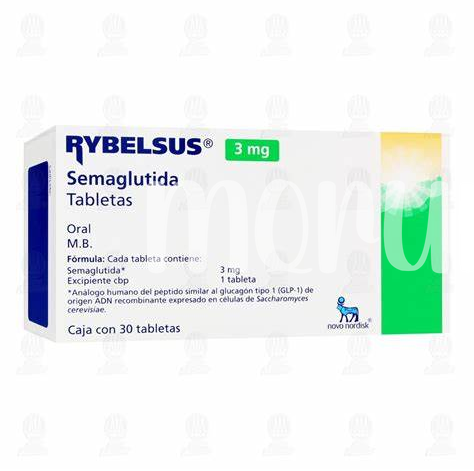
At airport checkpoints, keep medication visible and accessible in carry-on luggage to smooth inspection. Carry the original rybelsus packaging and a copy of the prescription or doctor’s letter explaining need and dosage; this helps security officers and customs officials verify legitimacy.
Research the destination’s rules before you travel and, if necessary, obtain supporting documentation translated into the local language. Many countries exempt personal quantities, but some require advance permits — check embassy guidelines and airline policies to avoid surprises.
At security, calmly present documents and answer questions; don’t place pills in bins with electronics to prevent loss. If customs raises concerns, request to speak with a supervisor and carry contact information for your prescribing clinician.
Dosage Timing: Managing Daily Routine Across Timezones
I once shifted my schedule across three time zones and kept my routine intact by planning gradual adjustments. For rybelsus, small changes over forty eight hours helped me avoid missed doses.
Set alarms and use travel calendars to map the ideal dosing window. Take the tablet on an empty stomach and wait thirty minutes before eating or taking other medications.
For short trips stick to your home time; for extended stays switch to local time after consulting your clinician. Carry documentation and reminders to discuss any adjustments if needed.
| When | Action |
|---|---|
| Before | Shift dose and set-alarms |
| Missed | Take soon or consult |
| LongTrip | Adopt local schedule |
Emergency Toolkit: Loss, Damage, and Storage Solutions
Imagine opening your bag mid‑trip to find your Rybelsus warm or damaged — a compact emergency kit prevents panic. Pack a small insulated case with a gel cooling pack (not frozen), a battery thermometer strip, a printed prescription copy and your clinician’s contact, plus a cloud photo of the box and label. Keep tablets in original packaging, sealed against moisture, and tuck extra documentation for security or customs.
If a dose is lost or ruined, contact your prescriber immediately to arrange a replacement or emergency refill; many countries permit temporary supplies with verification. Store remaining tablets under 30°C, avoid freezing and replace cooling elements when warm. Include pharmacy phone numbers, travel insurance details and local embassy contacts in your kit so you can source replacements fast and resume therapy with minimal disruption. For peace of mind. FDA EMA