
To Buy Stromectol Online Visit Our Pharmacy ↓
 Stromectol in Veterinary Medicine: Uses and Cautions
Understanding Stromectol: the Basics for Veterinarians
Stromectol, known generically as ivermectin, has revolutionized parasite control in both small and large animals. Its discovery prompted a shift in veterinary protocols thanks to its broad-spectrum efficacy. As a potent antiparasitic, it disrupts nerve and muscle function in susceptible parasites, leading to their elimination without harming treated animals when used correctly. Veterinarians use Stromectol for its reliability, but understanding its pharmacology and limits is essential. This foundation enables careful, effective application tailored to each patient’s unique needs.
| Characteristic | Details |
|---|---|
| Generic Name | Ivermectin |
| Primary Function | Antiparasitic agent |
| Target Parasites | Roundworms, mites, lice |
| Veterinary Use | Small and large animals |
Common Animal Diseases Treated with Stromectol
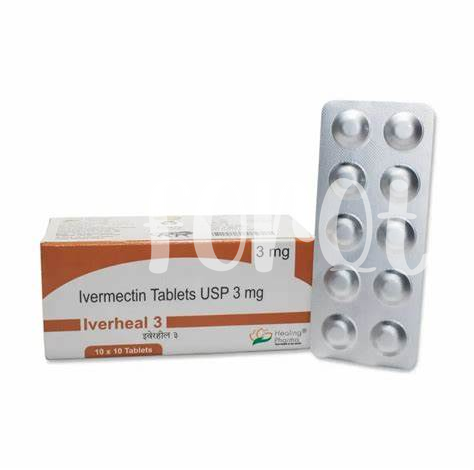
Stromectol stands as a vital tool in the fight against various parasitic infections affecting animals worldwide. Veterinary professionals frequently reach for it when confronting infestations of intestinal roundworms, mange mites, and external parasites like lice. Its broad antiparasitic activity offers relief not just to livestock but also to companion animals struggling with persistent infestations.
In cattle, stromectol plays a crucial role against gastrointestinal nematodes and lungworms, which can compromise herd health and productivity. Horses benefit from its ability to tackle strongyles and bots, while dogs and cats are treated for ear mites and certain types of mange.
These remarkable outcomes highlight stromectol’s versatility, but always call for precise, species-specific application.
Species-specific Guidelines: Dosage and Administration
Veterinarians recognize that safe and effective use of stromectol demands careful attention to each animal species. For instance, dosages for dogs versus cattle can differ significantly due to variations in metabolism and body weight. Accurately weighing the animal and considering factors such as age, health status, and breed ensures proper dosing and avoids toxicity.
Administration methods are equally important, as stromectol is available in injectable, oral, or topical formulations. Selecting the most appropriate route depends on the target parasite and the species’ handling tolerance. By individualizing both dosage and administration route, veterinarians optimize treatment results and minimize risk, promoting both animal welfare and drug efficacy.
Recognizing and Managing Potential Side Effects
When using Stromectol in veterinary medicine, careful observation is the first defense against unwanted reactions. Animals may display gastrointestinal upset—like vomiting or diarrhea—shortly after administration. In some rare cases, particularly with sensitive breeds such as Collies or Shetland Sheepdogs, neurological symptoms including disorientation or tremors may occur. Immediate intervention is crucial if any severe or unusual symptoms are noted.
Monitoring patients for side effects should continue for several days after treatment. Early identification allows for prompt management, which may include supportive care or, in extreme cases, discontinuation of the medication. Veterinarians should educate clients on what signs to watch for at home, empowering them to act quickly if their animal’s condition changes.
It is vital to adjust the dose or seek alternatives if negative reactions develop, remembering that each species and even individual animals can respond differently to Stromectol. A proactive approach, documenting any side effects, helps inform safer future use and contributes to best practices in veterinary care.
Overuse, Resistance, and Responsible Stewardship
Widespread reliance on stromectol for parasite control in animals has brought impressive benefits but also challenges. As veterinarians encounter more resistant parasites, it becomes clear that strategic use of this drug is essential for long-term effectiveness. Rotating antiparasitic medications and conducting periodic fecal egg counts help assess whether treatment remains effective across different farm or pet populations.
Integrating non-pharmacological measures, such as improved hygiene and pasture management, reduces the frequency of stromectol application. This approach not only safeguards animal health but also mitigates the risk of resistance stemming from repeated dosing. Communication with clients about the importance of proper dosing and duration further reinforces these efforts.
The stewardship of antiparasitic drugs is a team endeavor requiring vigilance and ongoing education. By fostering a mindset of careful management, veterinarians preserve stromectol’s benefits for future use.
| Recommendation | Benefit |
|---|---|
| Rotate antiparasitic drugs | Prevents resistance build-up |
| Regular fecal monitoring | Assesses ongoing drug efficacy |
| Educate animal owners | Ensures proper usage and outcomes |
Legal, Ethical, and Safety Considerations in Practice
Veterinarians must stay informed about the regulations surrounding Stromectol, as rules vary by country and even by animal species. Beyond compliance, ethical practice requires prioritizing animal welfare—prescribing Stromectol only when truly indicated and ensuring informed consent from animal owners. Safety is paramount, both for the animals being treated and for humans handling the medication. This involves following correct dosage protocols and using appropriate protective equipment during administration. Proper record-keeping and traceability are also crucial to avoid misuse or accidental exposure. Thoughtful consideration of these factors not only fosters trust with clients but also upholds the integrity of veterinary practice as a whole.