
To Buy Symbicort Online Visit Our Pharmacy ↓
 Managing Side Effects of Symbicort Safely
Spotting Early Inhaler Related Symptoms before They Worsen
On a blustery morning I noticed a subtle rasp to my voice after using my inhaler — a small clue that something was beginning. Early signs often hide in minor changes: persistent throat tickle, scratchy voice, a dry cough that lingers, or tiny white patches on the tongue. Catching these early lets you adjust technique or seek advice before problems grow.
Keep a simple log noting when symptoms begin, what you ate, and how you inhaled; timing matters. If breathlessness, rapid heartbeat, or severe cough appear soon after dosing, stop immediately and call your clinician. Small actions — rinsing with water, using a spacer, or regularly checking inhaler fit — often prevent escalation and restore comfort.
| Sign | Action |
|---|---|
| Hoarseness | Rinse mouth, check technique |
| White patches | See clinician for thrush treatment |
Practical Tips to Reduce Local Throat Irritation Risks

After months of managing asthma, I learned small routines made a big difference. Rinsing and spitting after each symbicort dose removes residue and cuts throat soreness, and using a spacer helps deliver medicine to the lungs rather than the back of the throat.
Aim for slow, steady inhalations and hold your breath briefly to increase lung deposition. If a spacer is unavailable, try softer puffs and avoid talking immediately after inhaling to reduce irritation.
Maintain hydration and humidify dry rooms; looser mucus lessens scraping. Monitor for persistent hoarseness and document symptoms.
Discuss any recurring irritation with your clinician or pharmacist, small changes in technique or timing often resolve discomfort without altering effective therapy or dosing.
When to Seek Medical Help and Urgent Signs
I remember a patient who ignored a creeping tightness until it became frightening; listen to your body and act sooner. If breathing worsens, you develop sudden chest pain, fast irregular heartbeat, severe dizziness, or your lips turn blue, seek emergency care immediately. Allergic reactions—hives, facial swelling, throat tightness—also require urgent attention, especially after starting symbicort.
Call your prescriber if new or persistent fever, worsening cough, increasing sputum, or gradual breathlessness interfere with daily activity; these may signal infection or poorly controlled inflammation. Keep a log of symptoms, inhaler use, and peak flow readings to share with clinicians, and ask for a clear action plan so you know when to escalate care. Without delay, seek help.
Lifestyle Tweaks That Boost Lung Comfort and Tolerance
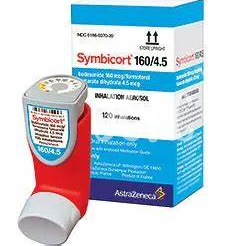
Small everyday choices can change how your lungs feel. Quitting smoking, keeping indoor air clean with HEPA filters, and staying hydrated reduce irritation and make medications like symbicort work better. Regular vaccinations and avoiding known allergens cut inflammation and lower the chance of flare-ups.
Add gentle, consistent activity—walking, swimming, or tai chi—to build tolerance without provoking symptoms. Controlled breathing exercises such as pursed-lip and diaphragmatic techniques improve oxygen efficiency and calm anxiety that often worsens breathlessness. Maintain a healthy weight and sleep routine to ease mechanical stress on the chest and support recovery.
Reduce exposure to strong fragrances, cold air, and pollutants; use scarves or masks in harsh weather. Practice stress reduction—mindfulness or gentle yoga—to limit hyperventilation episodes. Discuss tailored activity plans and seasonal adjustments with your clinician, and keep symptom logs to spot trends early and adjust treatment promptly.
Medication Interactions to Watch and Pharmacist Conversation Starters
Begin by listing every prescription, OTC, and supplement you take; interactions can alter steroid or bronchodilator effects. Keep an updated list.
Mention symbicort specifically and ask if calcium channel blockers, beta‑blockers, or strong CYP3A4 inhibitors are concerns. Ask about monitoring intervals.
Ask pharmacists about signs to watch, dose adjustments, and whether spacing doses or monitoring heart rate is needed. Note blood pressure changes.
Use open questions: 'Could this interact?', 'Should I avoid anything?', and request a concise printout for follow‑up. Bring a printed list.
| Ask | Why |
|---|---|
| List meds | Reveal interactions |
Using Techniques for Better Inhaler Delivery and Prevention
I tell patients that a calm, steady breath makes all the difference: shake the inhaler, exhale gently, place the mouthpiece tightly, start a slow deep inhalation while pushing the canister, then hold your breath for six to ten seconds. Using a spacer for press-and-breathe devices reduces oropharyngeal deposition and improves lung delivery for people who struggle with coordination.
Simple habits prevent avoidable side effects: rinse and spit after each use, clean the mouthpiece weekly, check the dose counter, and store at recommended temperatures. Practice with a clinician or nurse until your timing is smooth, and never double-dose to compensate. These small routines equal better delivery and fewer throat or systemic effects and confidence. EMA NHS