
To Buy Zoloft Online Visit Our Pharmacy ↓
 Zoloft Vs. Other Ssris: Key Differences Explained
How Zoloft's Mechanism Differs from Other Ssris
Sertraline often feels familiar because it raises serotonin like other SSRIs, but the story isn't identical. Its binding profile includes modest dopamine reuptake inhibition and sigma-1 modulation, which can lend slightly more activation or motivation for some patients. Clinically this can translate to subtle differences in mood, energy, and sexual side effects compared with more selective agents.
Its half-life is shorter than fluoxetine, affecting washout and switching strategies.
| Property | Effect |
|---|---|
| Dopamine | Mild |
| Half-life | 24 hours |
Those receptor and pharmacokinetic nuances help explain why some patients prefer sertraline clinically over others.
Side Effect Profiles Compared: What to Expect
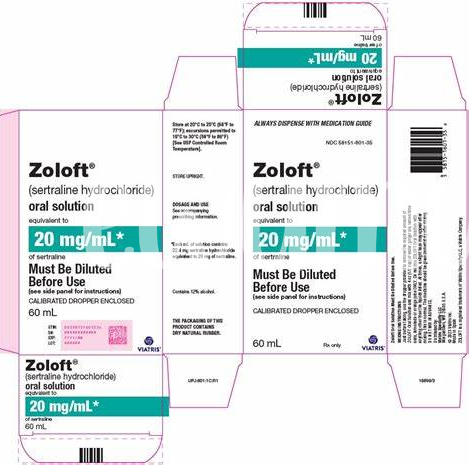
Starting an SSRI can feel like stepping into unfamiliar territory: some people breeze through, others meet turbulence. With zoloft, early nausea, diarrhea and mild restlessness are common, often settling after weeks. Compared with some SSRIs it tends to be more activating than sedating, so insomnia or jitteriness can appear at first. Sexual side effects—reduced libido and delayed orgasm—are shared across the class and may persist longer for some patients, too.
Clinicians weigh these profiles against benefits: zoloft often shows lower sedation and modest weight gain compared with paroxetine, but switching can trade one side effect for another. Gradual dose changes, taking medication with food, or trying evening dosing may reduce nausea or insomnia. For persistent sexual dysfunction or severe agitation, providers may consider alternative SSRIs, adjunct therapies, or a medication holiday plan. Open communication and follow-up allow tailoring choices safely.
Differences in Efficacy for Specific Conditions
Clinicians often find that zoloft shines in obsessive-compulsive disorder and social anxiety, while other SSRIs may perform better for generalized depression or panic. Patient history and symptom patterns shape which drug will most likely reduce core symptoms and improve daily functioning. Age, genetics and prior response influence outcomes.
Trials show modest differences rather than dramatic superiority; tolerability and comorbidities frequently guide choice. Personal response varies, so trial periods and close follow-up help determine the optimal SSRI tailored to the individual’s diagnosis, side-effect sensitivity, and treatment goals and patient preference matters.
Onset Speed and Dosing Flexibility Explained

When starting an SSRI, many imagine an immediate lift; reality is subtler. Some patients notice shifts within one to two weeks, while others wait four to six. Expectations shape experience.
zoloft often shows early improvements in anxiety and sleep for some people, though mood benefits may take longer to emerge. Dose adjustments are sometimes needed to balance effect and tolerability.
Clinicians typically start low then titrate, offering flexibility to find a personalized regimen. Communicate changes, side effects, and goals so treatment can be optimized efficiently over several weeks as needed.
Drug Interactions and Safety Considerations Compared
When considering zoloft, think of interactions as crossroads where medications meet — some pair smoothly, others create sparks. Clinicians watch closely for combinations that amplify serotonin or affect metabolism, and patients benefit from clear examples.
Common dangers include serotonin syndrome when SSRIs combine with MAOIs or certain pain medications, and bleeding risk increases with anticoagulants or NSAIDs. Genetic differences in liver enzymes also shape which SSRI is safer.
Dose adjustments matter: older adults or people with kidney or liver impairment need careful monitoring, and stopping abruptly can provoke withdrawal symptoms. Zoloft's interactions with certain CYP enzymes make titration and review important.
Talk openly with prescribers about supplements, recreational drugs, and over-the-counter remedies; pharmacy checks alert to red flags. Personal history, pregnancy plans, and concurrent therapies guide safer choices, so regular review helps balance benefit and risk over time with tests.
| Interaction | Action |
|---|---|
| MAOIs/linezolid | Avoid — risk serotonin syndrome |
| NSAIDs/anticoagulants | Monitor bleeding; adjust therapy |
Choosing the Right Ssri: Personalized Factors to Weigh
Deciding which SSRI fits you feels like tailoring a coat: symptoms, past treatment response, and side effects shape the cut. Clinicians weigh age, pregnancy plans, liver or kidney function, and co‑occurring conditions (anxiety, OCD, bipolar risk). Medication history matters — if a family member benefited from sertraline, it raises the odds it might help you. Practical factors such as cost, insurance coverage, and dosing schedule also guide choices.
Discussing drug interactions and current medicines is essential; some SSRIs inhibit cytochrome P450 enzymes more than others, altering how drugs are processed. Tolerability, suicide risk in youth, and patient preference about side effects (sexual dysfunction, sleep changes) often decide the final pick. Shared decision‑making, with trial periods and clear follow‑up, lets clinician and patient adjust treatment for the best balance of benefit and safety, and lifestyle factors. MedlinePlus: Sertraline PubMed search: sertraline